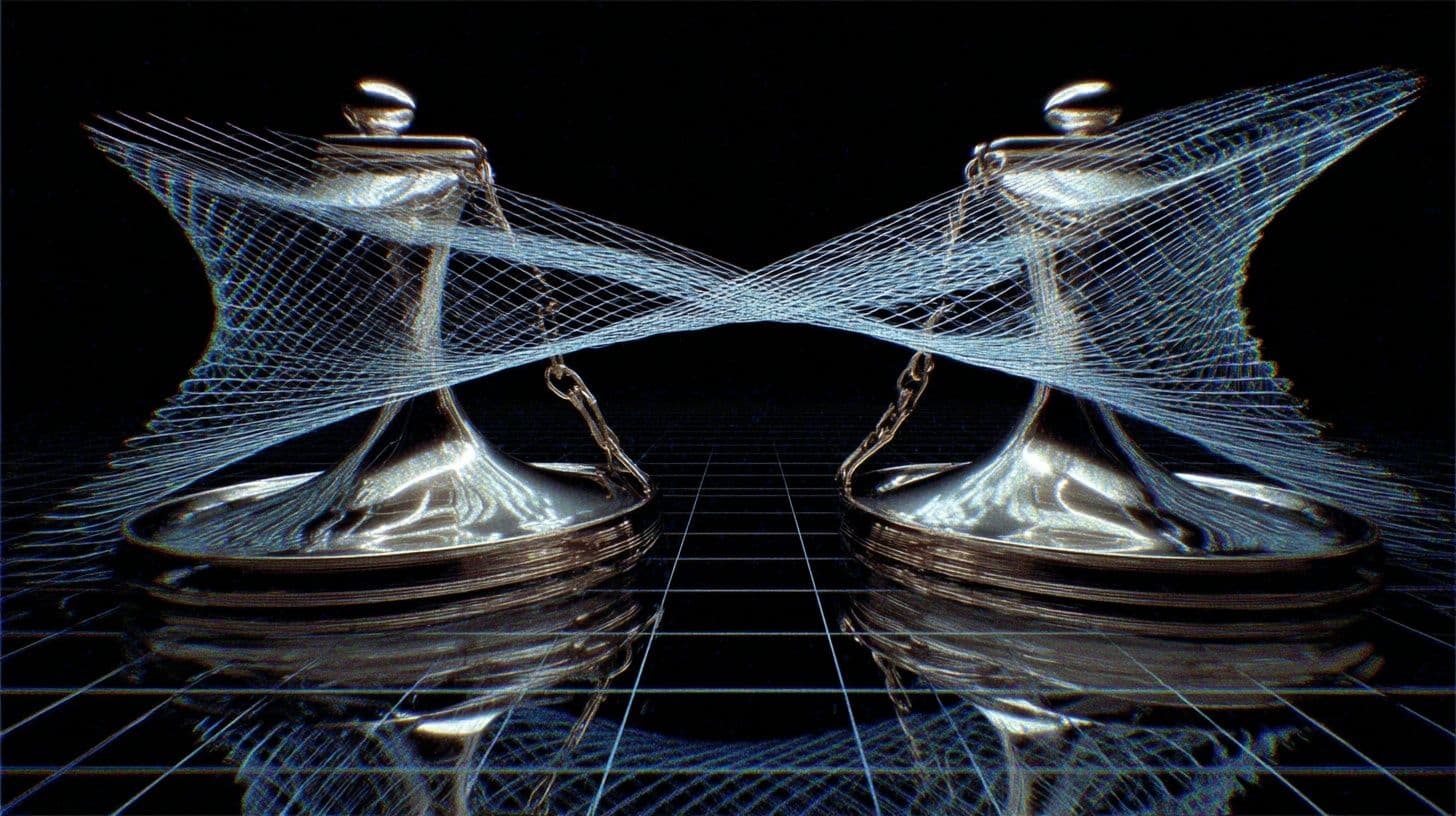
The AI Art Copyright Wars: Who Actually Owns What?
Lawsuitsarepilingup,legislationisbeingdrafted,andnobodyagreesonanything.Here'sthecurrentstateofAIartcopyright—andwhytheanswermattersforanyonecreatingwiththesetools.
Is prompting creative work? Can you copyright an AI-generated image? Should AI-generated content be labeled? These questions used to be philosophical. Now they're legal battles. Getty is suing Stability AI. Artists are filing class actions. The Copyright Office is issuing contradictory guidance. Let's untangle what's actually happening and what it means for creators.
The Training Data Question
At the heart of every lawsuit is this question: is training on copyrighted works fair use? The AI companies say yes—it's transformative, like a human learning from existing art. The artists say no—you're literally storing compressed versions of their work in your model weights.
The truth is somewhere in between, and courts are still figuring it out. The Getty v. Stability AI case will likely set precedent. But it could take years to resolve, and the technology will have evolved three times by then.
Can You Copyright AI Output?
The US Copyright Office has been surprisingly clear here: pure AI-generated content cannot be copyrighted. There must be "human authorship." But what counts as human authorship? The prompt? The curation? The post-processing?
The Zarya of the Dawn case is instructive: a comic book where the images were AI-generated but the selection, arrangement, and text were human. Result: copyright on the overall work, but not on the individual AI images. The boundaries are blurry and getting blurrier.
What This Means for You
If you're creating with AI tools for commercial use, here's the practical guidance: (1) Use models with clear licensing—Midjourney's commercial terms, Adobe Firefly's "commercially safe" training data. (2) Document your creative process—the more human input you can show, the stronger your claim. (3) Don't rely on copyright alone—build value through brand, speed, and curation.
The legal landscape will settle eventually. Until then, create carefully, document everything, and remember: the value of AI art isn't in the legal protection—it's in what you do with it.